

Metabo Drops Examined: Is It Legit for Weight Loss? Safety Checks and Consumer Analysis 2026
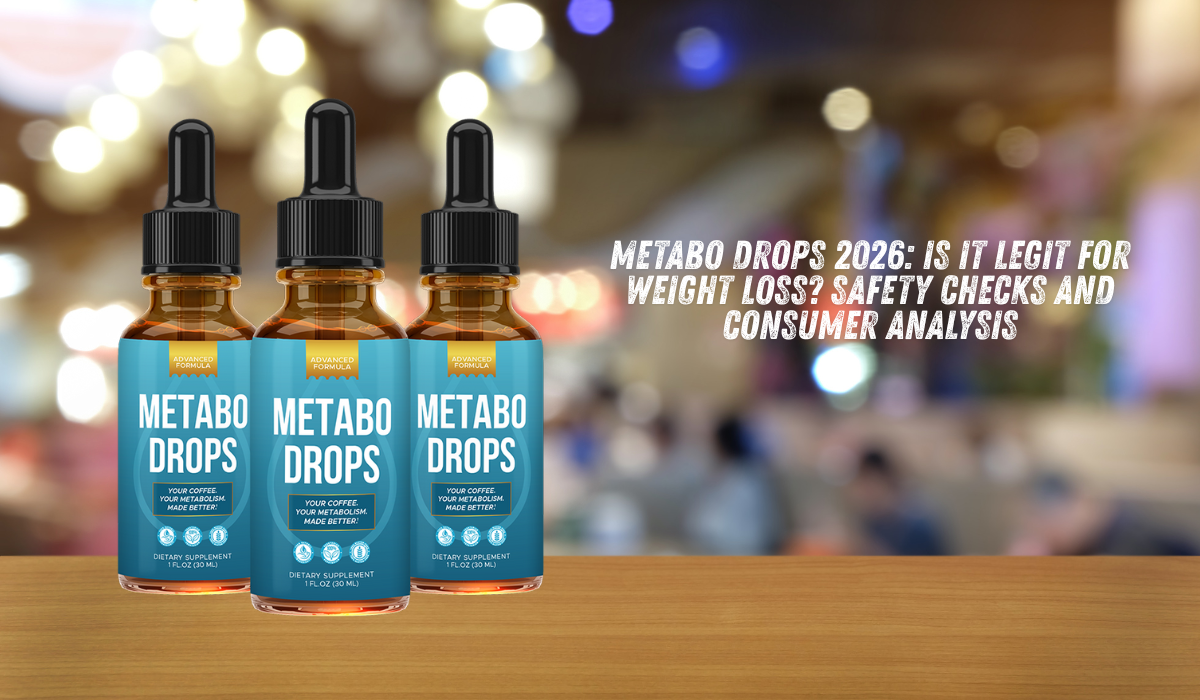
Consumer interest in supplement legitimacy continues to rise as transparency becomes a deciding factor in purchasing decisions. Searches that include phrases such as “Is it legit?” or “Is this a scam?” have increased steadily over the past year, reflecting a broader shift in how buyers approach dietary supplements.
Rather than relying on marketing claims or popularity, consumers are increasingly conducting verification research before engaging with product pricing or promotional offers.
This analysis examines that behavioral shift through the lens of Metabo Drops, a liquid weight management supplement positioned as a coffee add-in. Rather than functioning as a product endorsement or promotional review, this article explores the factors that drive legitimacy research, how liquid supplement formats fit into that trend, and what transparency criteria consumers typically evaluate before making a decision.
In This Article, You Will Learn:
- Why “Is it legit?” searches have become a primary starting point for supplement research
- How consumer skepticism is reshaping buying behavior in the weight management market
- What transparency and legitimacy actually mean in the dietary supplement industry
- Why liquid supplement formats often face higher scrutiny than capsules or powders
- How Metabo Drops fits within broader supplement legitimacy trends
- The key criteria consumers use to evaluate whether a supplement is legitimate
- The difference between supplement legitimacy and real-world effectiveness
- How to approach supplement research with realistic expectations and informed judgment
Legitimacy Searches Signal a New Phase in Supplement Consumer Behavior
The dietary supplement market has entered a more skeptical phase. Consumers who once searched for “best weight loss supplement” or “top fat burner” now often begin with verification-oriented queries. This change reflects a growing awareness of how supplements are regulated and how marketing language can differ from regulatory reality.
Rather than assuming products are vetted before sale, consumers increasingly recognize that responsibility for verification rests with the buyer. As a result, legitimacy checks have become a standard first step rather than a follow-up concern.
This pattern is especially visible in newer product categories and alternative delivery formats. When a supplement does not fit the traditional capsule or powder model, consumers are more likely to investigate its credibility before considering use.
>>See the current Metabo Drops offer (official Metabo Drops website)
Market Data: Measuring the Transparency Trend
Search trend data indicates that interest in weight loss supplements continues to grow, but the way consumers research these products has evolved. Analysis of publicly available search behavior from mid-2025 showed a year-over-year increase of more than 26 percent in weight management-related searches.
Geographically, much of this activity originated in the Southeastern U.S. states such as Tennessee, Alabama, and Kentucky. While demand for weight loss solutions remains strong, a growing portion of that demand is tied to legitimacy-focused queries rather than performance-focused ones.
Several overlapping factors appear to be driving this trend:
- Increased public understanding of supplement regulation, including the fact that dietary supplements do not require pre-market approval for effectiveness.
- Rapid expansion of the supplement market, with new brands and formats appearing frequently.
- Heavy exposure to social media advertising, which introduces consumers to unfamiliar products at a high rate and triggers verification behavior.
Together, these factors have reshaped how consumers engage with supplement brands at the research stage.
Liquid Delivery Formats: Growth Paired With Heightened Scrutiny
Liquid supplements represent a growing segment within the broader weight management category. These products are often marketed as convenient alternatives to capsules or powders, with some positioned as beverage add-ins designed to integrate into daily routines such as morning coffee.
While liquid formats offer convenience, they also attract closer examination. Many consumers are less familiar with liquid supplementation, which leads to additional research regarding absorption claims, ingredient stability, and safety considerations.
Products in this category often share features that naturally generate legitimacy-focused searches:
- Claims related to absorption or bioavailability, which can vary widely between individuals.
- Use of proprietary blends that list ingredient names without specifying individual amounts.
- References to manufacturing credentials that require interpretation to understand their actual significance.
These characteristics do not automatically indicate risk, but they do prompt consumers to seek clarification before proceeding.
Metabo Drops Within the Liquid Supplement Category
Metabo Drops is a liquid supplement marketed as a coffee-compatible add-in for individuals interested in metabolic support. Its formulation reflects common practices within the liquid supplement segment.
The formula contains a proprietary blend totaling 550 mg, which includes green tea leaf extract, green coffee bean extract, L-Carnitine, and L-Theanine. In addition to the blend, Metabo Drops provides full disclosure of its vitamin and mineral content, including Vitamin D at 20 mcg, Vitamin B6 at 1 mg, Vitamin B12 at 5 mcg, and Chromium at 20 mcg.
Manufacturing information indicates that the product is produced in the United States in an FDA-registered facility that follows Good Manufacturing Practices. And a 60-day 100% refund policy is referenced, though consumers are encouraged to confirm current terms directly through the official website.
These elements reflect standard industry practices rather than exceptional features, but they also provide the basic transparency markers that consumers typically seek when evaluating legitimacy.
How Consumers Evaluate Supplement Legitimacy
When researching whether a supplement is legitimate, consumers generally assess several distinct areas. These criteria apply across products and formats rather than to any single brand.
Ingredient Disclosure
Ingredient transparency is often the first evaluation point. Some supplements list all ingredients with precise amounts, allowing consumers to compare dosages with published research. Others use proprietary blends that disclose ingredient names and total blend weight without individual quantities.
While proprietary blends are legal and common, they limit a consumer’s ability to verify dosing independently. This limitation often leads to additional research rather than immediate dismissal.
Manufacturing Credentials
Manufacturing claims are another frequent focus. Understanding what these claims actually mean is central to legitimacy assessment.
FDA registration indicates that a manufacturing facility is registered with the Food and Drug Administration and may be inspected. It does not mean the FDA has approved the product itself.
GMP certification refers to adherence to manufacturing standards designed to ensure consistency and quality control. It does not verify effectiveness or guarantee results.
Some products also reference third-party testing, which can provide independent verification of ingredient identity and purity. The presence or absence of such testing often influences consumer confidence.
Company Accessibility
Consumers increasingly evaluate how accessible a company appears before purchase. This includes reviewing whether contact information is clearly published, whether refund policies are transparent, and whether the purchase process uses established payment infrastructure.
Products sold through recognized platforms with dispute resolution options tend to inspire more confidence than those with limited or unclear support channels.
>>See the current Metabo Drops offer (official Metabo Drops page)
Legitimacy Versus Efficacy: A Key Distinction
One of the most important concepts for consumers to understand is the difference between legitimacy and effectiveness. A supplement can meet standard legitimacy criteria while still producing varied results among users.
Dietary supplements are regulated as food products, not medications. As such, they are not required to demonstrate effectiveness through clinical trials before entering the market. This regulatory structure means that legitimacy evaluation focuses on transparency and compliance rather than guaranteed outcomes.
Understanding this distinction helps consumers set realistic expectations and interpret marketing claims more critically.
Ingredient Research and Its Limitations
Many consumers researching supplement legitimacy also explore scientific literature related to individual ingredients. While this approach can provide useful context, it has limitations that are often overlooked.
Context Matters in Published Research
Scientific studies examine isolated ingredients under controlled conditions, often at specific dosages and within defined populations. The findings describe observations within those parameters and cannot be directly applied to all finished products.
Most supplements, including liquid formulations, have not been studied as complete products. Research exists for individual ingredients, not for specific combinations or proprietary blends.
When ingredient amounts are not disclosed, consumers cannot compare product formulations to studied dosages, which further limits direct applicability.
Common Ingredient Categories
Ingredients frequently found in liquid weight management supplements have been examined in peer-reviewed research. Vitamin D has been studied for its role in general health and deficiency outcomes. B vitamins such as B6 and B12 are examined for their involvement in metabolic processes. Green tea extract has been researched under controlled conditions, and amino acids like L-Carnitine and L-Theanine have been explored for various physiological roles.
These studies provide background information, not product-specific conclusions. They help explain why certain ingredients are commonly used but do not establish the effectiveness of any particular supplement.
>>View the current Metabo Drops offer (official Metabo Drops website)
Industry Response to Verification-First Consumers
The rise in legitimacy-focused research has influenced how supplement companies approach transparency and communication.
Increased Disclosure Efforts
Some manufacturers have moved toward greater ingredient disclosure, reducing reliance on proprietary blends. Others have adopted third-party testing and made quality documentation more accessible to the public.
These changes reflect competitive pressure rather than regulatory mandates, as brands seek to align with evolving consumer expectations.
Shifts in Marketing Strategy
Marketing language has also evolved. Rather than focusing exclusively on benefits, some brands now address legitimacy questions directly. Refund policies, customer support availability, and manufacturing standards are often highlighted more prominently.
This approach aims to reduce perceived risk and acknowledge consumer skepticism rather than dismiss it.
Ongoing Structural Challenges
Despite these adaptations, legitimacy concerns persist. The supplement regulatory framework remains unchanged, placing verification responsibility on consumers. The rapid pace of new product launches also makes comprehensive research difficult, reinforcing skepticism as a rational default.
Additionally, interpreting marketing claims requires ongoing consumer education, particularly when ingredient research is referenced without a clear context.
A Practical Evaluation Framework for Consumers
For individuals researching supplements such as Metabo Drops or similar products, a structured evaluation approach can help organize the process.
Initial Verification Steps
- Review ingredient disclosure to determine whether amounts are fully listed or grouped into proprietary blends.
- Interpret manufacturing claims accurately, understanding what FDA registration and GMP certification actually signify.
- Confirm company accessibility by checking contact information, refund policies, and purchase infrastructure.
Professional Consultation
Consumers managing health conditions or taking medications should consult healthcare professionals before using supplements. Professional guidance complements consumer research but does not replace it.
Expectation Management
It is important to separate transparency from outcomes. A product that meets legitimacy criteria does not guarantee results, and responses vary widely between individuals.
Recognizing the regulatory context and evaluating claims critically supports informed decision-making.
Why Legitimacy Research Is Likely Permanent
The growth of “Is it legit?” search behavior reflects a broader shift toward consumer empowerment. As long as supplements remain regulated as food products without pre-market efficacy requirements, verification research will remain a central part of the purchasing process.
Emerging formats such as liquid supplements are likely to attract even greater scrutiny as they gain market presence. For manufacturers, this creates pressure to prioritize transparency. For consumers, it reinforces the value of structured evaluation and realistic expectations.
Final Perspective
Legitimacy research is not a sign of consumer distrust alone. It is a rational response to a complex market structure that requires buyers to take an active role in verification. Products like Metabo Drops illustrate common characteristics of modern supplements rather than exceptions to industry norms.
Understanding what legitimacy criteria actually measure, and how they differ from effectiveness, allows consumers to navigate the supplement landscape more confidently. Transparency, accessibility, and accurate interpretation of claims form the foundation of informed decision-making in a category where oversight differs significantly from pharmaceutical markets.
This article provides general industry analysis based on publicly available information and does not constitute medical advice, product endorsement, or verification of individual outcomes. Consumers are encouraged to conduct their own research and consult qualified healthcare professionals before using dietary supplements.
>>See the current Metabo Drops offer (official Metabo Drops website)
Disclaimer: This content is provided for informational and educational purposes only and is not intended as medical, health, or professional advice. Dietary supplements are not a substitute for medical care. Always consult a qualified healthcare professional before starting, stopping, or changing any supplement or wellness routine. This article may include affiliate links, and a commission may be earned at no additional cost to you if a purchase is made through them.
Contact Information
Email: support@metabodrops.com
Phone: +1 844-236-6478
Address: 6409 Fayetteville Rd, Durham, NC, USA

Legal Disclaimer:
EIN Presswire provides this news content "as is" without warranty of any kind. We do not accept any responsibility or liability for the accuracy, content, images, videos, licenses, completeness, legality, or reliability of the information contained in this article. If you have any complaints or copyright issues related to this article, kindly contact the author above.
